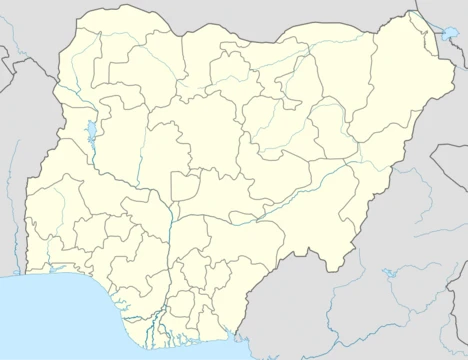
Gombe State
A northeastern Nigerian state formed in 1996, known as the Jewel in the Savannah.

Wikipedia / Wikimedia Commons
Gombe State is a state in northeastern Nigeria, formed from a part of Bauchi State on 1 October 1996. It is known as the 'Jewel in the Savannah' and is the 22nd largest in area and 32nd most populous among Nigeria's 36 states, with an estimated population of about 3.25 million as of 2016. The state is significant for its diverse ethnic groups, including the Fulani and Tangale peoples, and its economy based on agriculture and herding.
- area
- 20,265 km²
- population_2006
- about 2,365,000
- population_2016_estimate
- about 3.25 million
- capital
- Gombe
- formed
- 1 October 1996 from Bauchi State
- slogan
- Jewel in the Savannah
- major_ethnic_groups
- Fulani, Tangale
Lore & Background
In the pre-colonial period, the area that is now Gombe State was split between various states until the early 1800s when the Fulani jihad seized much of the area to the Northern Gombe and formed the Gombe Emirate under the Sokoto Caliphate, while the Tangale seized the Southern Area to establish their Maidom. In the 1910s, British expeditions occupied the Emirate and surrounding areas, incorporating them into the Northern Nigeria Protectorate, which later merged into British Nigeria before becoming independent as Nigeria in 1960. Originally part of the post-independence Northern Region, the area became part of the North-Eastern State in 1967, then Bauchi State in 1976, until a group of LGAs in Bauchi's west were broken off to form the new Gombe State in 1996.
Reader's Guide
Gombe State holds significance as a relatively young state in Nigeria, created during the military government of General Sani Abacha. Its location in the tropical West Sudanian savanna ecoregion, with features like the Gongola River and Lake Dadin Kowa, shapes its agricultural economy, which relies on sorghum, maize, groundnuts, and livestock herding. The state's ethnic diversity—with Fulani in the north and center, Tangale in the south and center, and numerous other groups in the east and south—contributes to its cultural richness, though it also faces challenges reflected in its fourth lowest Human Development Index and one of the lowest GDPs in the country. Religiously, the population is predominantly Muslim (65–80%) with a Christian minority (20–35%). The state government, led by a democratically elected governor, oversees 11 local government areas and has initiated environmental programs such as a four million tree planting scheme and flood control measures. Gombe State's legacy is tied to its role as a regional administrative and agricultural hub in northeastern Nigeria.
Did You Know?
- Gombe State was formed from a part of Bauchi State on 1 October 1996.
- The state is home to snake species including carpet viper, puff adder, and Egyptian cobra.
- The Gongola River flows through Gombe's north and east into Lake Dadin Kowa.
- Gombe has the fourth lowest Human Development Index in Nigeria.
Frequently Asked Questions
Who is Gombe State?
Gombe State is a northeastern Nigerian state whose capital city shares its name. It is home to Fulani and Tangale communities among others and sits within the broader savannah region of the country.
When and how was Gombe State created?
The state officially came into existence on 1 October 1996 after being carved out of the larger Bauchi State. This made it one of the later additions to Nigeria's 36-state federal structure.
What is Gombe State's nickname and why?
The state is popularly called the 'Jewel in the Savannah,' a nod to its distinctive character set against the wide savannah terrain of northeastern Nigeria.
What drives Gombe State's economy?
Agriculture and livestock herding are the main economic pillars of the state. The Fulani and Tangale peoples, among others, sustain these traditional livelihoods across the region.
How large is Gombe State in area and population?
Covering roughly 20,265 square kilometers, it ranks as the 22nd largest state by area in Nigeria. Its population was estimated at around 3.25 million by 2016, placing it 32nd in size among the country's 36 states.
More in States Of Nigeria 1-20
Spotted an error? Know more?
This is a living reference — every entry is fact-audited, and reader corrections feed straight into our audit queue. Suggest an edit · See this site's audit record