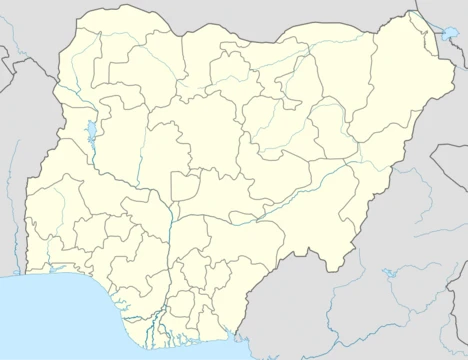
Kaduna State
Northwest Nigerian state, centre of learning and ancient civilizations.

Wikipedia / Wikimedia Commons
Kaduna State is a state in the northwest geopolitical zone of Nigeria, created in 1967 as North-Central State and achieving its current borders in 1987. It is the fourth largest and third most populous state in the country, nicknamed the Centre of Learning due to numerous educational institutions such as Ahmadu Bello University and the Nigerian Defence Academy. The state capital is the city of Kaduna, which was the 8th largest city in Nigeria as of 2006.
- created
- 1967 (as North-Central State); renamed Kaduna State in 1976
- capital
- Kaduna city
- area_rank
- 4th largest in Nigeria
- population_rank
- 3rd most populous in Nigeria
- nickname
- Centre of Learning
- major_ethnic_groups
- Hausa, Fulani, and at least 60 others
- major_religions
- Islam and Christianity
Lore & Background
Kaduna State is home to sites of some of Africa's oldest civilizations, including the Nok civilization that prospered from c. 1500 BC to c. 500 AD. In the 9th century, geographer Ya'qubi documented the Hausa Kingdoms, which existed until the region was incorporated into the Sokoto Caliphate in the early 1800s. During the colonial era, the city of Kaduna was made the capital of the Northern Nigeria Protectorate by British leadership. The state's name likely derives from the Hausa plural for crocodile, 'kadduna', due to many crocodiles in the Kaduna River, though a Gbagyi narrative links it to the word 'Odna'.
Reader's Guide
Kaduna State's significance lies in its role as a historical and educational hub in Nigeria. It was the successor of the old Northern Region of Nigeria, with its capital at Kaduna city, and has been a site of both ancient civilizations and modern conflict. The state economy depends on agriculture, especially cotton and groundnut production. In the modern era, Kaduna State has experienced violent ethnic and religious conflict, including the 2002 Miss World riots that led to around 250 deaths and the loss of homes for around 30,000. The state continues to face security challenges, with major bandit attacks in 2021 and subsequent years. Its diverse ethnic composition—with 59 to 63 different groups—and its religious mix of Islam and Christianity contribute to both its cultural richness and its tensions.
Did You Know?
- The name Kaduna likely comes from the Hausa word 'kadduna', meaning crocodiles, due to many crocodiles in the Kaduna River.
- Kaduna State was created in 1967 as North-Central State and renamed Kaduna State in 1976, with Katsina State split off in 1987.
- The state is home to the Nok civilization, which prospered from c. 1500 BC to c. 500 AD.
- In 2002, the Miss World riots in Kaduna city over purported blasphemy led to around 250 deaths and 30,000 people losing their homes.
Frequently Asked Questions
Who is Kaduna State?
Kaduna State is a northwest Nigerian state that was originally established in 1967 under the name North-Central State before being renamed in 1976. It ranks as the fourth largest and third most populous state in the country.
What is Kaduna State's nickname and why does it have it?
The state is commonly called the Centre of Learning because it is home to major institutions like Ahmadu Bello University and the Nigerian Defence Academy. This concentration of educational and training facilities sets it apart from its neighbors in the northwest zone.
How did Kaduna State get its current borders?
The state was first carved out in 1967 as North-Central State, then renamed Kaduna State in 1976. Its present-day boundaries were finalized in 1987 after a series of administrative reorganizations.
What is Kaduna State's capital and how big is it?
The city of Kaduna serves as the state capital and was the eighth-largest city in Nigeria as of 2006. It functions as the administrative and commercial hub for the entire northwest zone.
Why is Kaduna State important to Nigeria?
Beyond its role as an educational hub, the state is home to the Hausa, Fulani, and at least 60 other ethnic groups, making it a microcosm of Nigerian diversity. Its size, population, and institutional weight make it a key player in national affairs.
More in States Of Nigeria 1-20
Spotted an error? Know more?
This is a living reference — every entry is fact-audited, and reader corrections feed straight into our audit queue. Suggest an edit · See this site's audit record