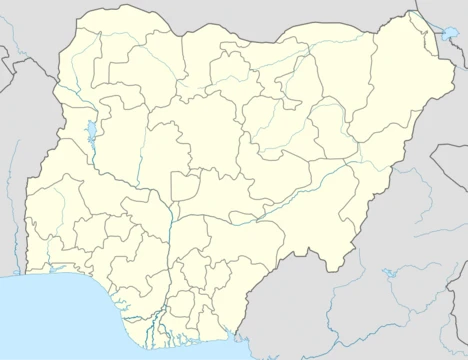
Kano State
Most populous Nigerian state, historic commercial and industrial hub.

Wikipedia / Wikimedia Commons
Kano State (Hausa: Jihar Kano) is one of Nigeria’s 36 states, situated in the northern part of the country. It was formed in 1967 from the former Northern Region and, based on the 2006 census, had the largest population of any Nigerian state. Its capital, Kano city, is the second-largest urban center in Nigeria, after Lagos. The state’s current governor, Abba Kabir Yusuf, took office on 29 May 2023.
The majority of Kano State’s residents belong to the Hausa and Fulani ethnic groups, and Hausa is the primary language spoken. In the 21st century, the state has faced challenges including attacks by the Boko Haram terrorist group, inter-religious violence, and widespread poverty. Sharia law is practiced in Kano, operating within the bounds of the Nigerian Constitution.
The area now known as Kano State was home to earlier kingdoms and empires, notably the Kingdom of Kano, centered on Dalla Hill, which lasted from around 1000 CE to 1349. That year, Yaji I converted to Islam and founded the Sultanate of Kano, becoming its first sultan. In 1463, Kurmi Market opened, helping Kano become a commercial hub in Hausaland; it remains open today and gives the state its nickname, the Centre of Commerce. During the 16th and 17th centuries, the sultanate grew into one of the most powerful Hausa kingdoms. After the Fulani jihad of 1804–1808, the Kano Emirate replaced the sultanate. Emir Ibrahim Dabo introduced administrative reforms to boost trade, encouraging merchants to relocate from Katsina and capitalizing on raids from the Hausa Sultanate of Maradi. The caliphate’s leaders promoted the kola nut trade, which brought Kano an annual turnover of about $30 million. Craft industries also developed before colonial rule, adding to the region’s wealth. In 1903, the British Empire conquered the Kano Emirate and incorporated it into the Northern Nigeria Protectorate. Before colonization, the main ethnic groups were Hausa, Fulani, Barebari (Kanuri), Tuareg, Arab, and Nupe. Since Nigeria’s independence, Kano State has built a diverse economy centered on industry, agriculture, and Islamic banking. The state was created on 27 May 1967, and in 1991, part of it was split off to form Jigawa State.
Kano’s climate saw variable rainfall between the 1970s and 1980s, with drought and near-drought conditions. From the 1990s to 2015, moisture conditions improved, though rainfall fluctuated. Si
- Capital
- Kano
- Created
- 27 May 1967
- Population (2006 census)
- Most populous state in Nigeria
- Major ethnic groups
- Hausa and Fulani
- Dominant language
- Hausa
- Incumbent governor
- Abba Kabir Yusuf (sworn in 29 May 2023)
- Nickname
- Centre of Commerce
Lore & Background
Modern-day Kano State was the site of prior kingdoms including the Kingdom of Kano, centred on Dalla Hill, which existed from 1000 CE to 1349. In 1349, the Sultanate of Kano was established when Yaji I converted to Islam. Kurmi Market opened in 1463, helping Kano become a centre of commerce in Hausaland; the market remains open today. During the 16th and 17th centuries, the Sultanate became one of the most powerful of the Hausa Kingdoms. After the Fulani jihad of 1804–08, the Kano Emirate deposed the sultanate, and Emir Ibrahim Dabo made administrative reforms to increase commerce. Leaders encouraged traders from Katsina and promoted the kola nut trade, with Kano benefiting from an annual turnover of about $30 million. Craft industries also evolved in the pre-colonial period.
Reader's Guide
Kano State's significance stems from its long history as a commercial and political centre in northern Nigeria. The state's economy is diverse, with large markets such as Kurmi Market and Kantin Kwari Market, and it is the second-largest industrial centre after Lagos State and the largest in northern Nigeria. Industries include textiles, tanning, footwear, cosmetics, plastics, pharmaceuticals, and food processing. Agriculture remains important, with crops like millet, sorghum, groundnuts, and cotton, and the state is a major producer of hides, sesame, soybeans, and chili peppers. Kano is also a centre for Islamic banking. Challenges in the 21st century include attacks by Boko Haram, inter-religious violence, and extreme poverty. The state's climate shows variability in rainfall, with a mean of 897.7 mm, and temperatures have risen since the 1960s. Kano State is home to five universities, including Bayero University Kano, and several polytechnics and colleges.
Did You Know?
- Kano State was created on 27 May 1967 out of the former Northern Region.
- Kurmi Market, opened in 1463, remains open today and is a historic tourist attraction.
- The state's nickname is the Centre of Commerce.
- Kano State is the second-largest industrial centre in Nigeria after Lagos State.
Frequently Asked Questions
What is Kano State?
Kano State is one of Nigeria's 36 states located in the northern part of the country, widely recognized as a historic commercial and industrial hub. It was carved out of the former Northern Region in 1967.
When was Kano State officially created?
Kano State came into existence on 27 May 1967, when it was separated from the larger Northern Region.
What is Kano State's capital and how big is it?
The capital is Kano city, which stands as Nigeria's second-largest urban center after Lagos.
Who is the current governor of Kano State?
Abba Kabir Yusuf has served as governor since being sworn in on 29 May 2023.
Why is Kano State considered so significant?
It was the most populous state in Nigeria according to the 2006 census, and it remains a major economic engine in the north. The state is home predominantly to Hausa and Fulani communities, with Hausa serving as the dominant language.
More in States Of Nigeria 1-20
Spotted an error? Know more?
This is a living reference — every entry is fact-audited, and reader corrections feed straight into our audit queue. Suggest an edit · See this site's audit record